Effective apartment building operations hinge on reliable maintenance. A transition from a chaotic, reactive environment to a structured, planned operation is critical for maintaining property value, ensuring safety, and minimizing disruption to residents' lives.
Preventive vs. Corrective Maintenance
Corrective maintenance (reacting to things breaking) is unavoidable in any physical structure. A pipe may leak, or a door hinge may fail. However, relying entirely on reactive repairs causes operational strain and frequently leads to more expensive emergency contractor call-outs.
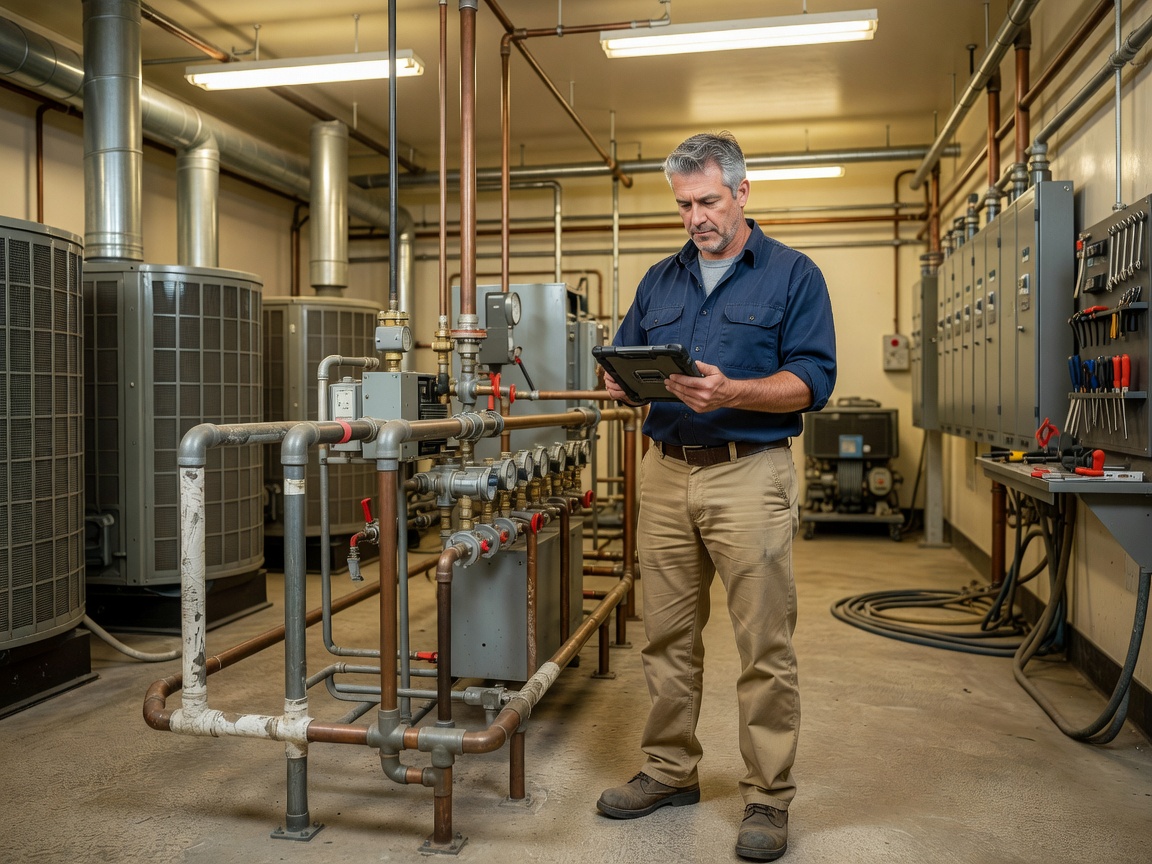
Preventive maintenance involves scheduled, recurring tasks designed to keep equipment operating optimally. This includes seasonal maintenance like flushing water heaters, inspecting roof membranes before winter, changing HVAC filters, and testing emergency lighting circuits. Structured maintenance relies heavily on accurate scheduling rather than memory.
Asset Registers and Documentation
You cannot maintain what you do not know you have. A comprehensive asset register catalogs every significant piece of building infrastructure—from boiler units and elevator motors to common-area gym equipment. Each asset profile should include installation dates, warranty information, preferred contractor details, and service histories.
The Role of Work Orders
Digital work order systems standardize the intake of maintenance requests. By forcing standardized data entry—such as location, urgency, and category—building staff can triage requests efficiently, coordinate the correct internal technician or external contractor, and maintain a clear audit trail of completed work.
Common Area and Building Services Upkeep
While in-unit maintenance is critical for resident satisfaction, the upkeep of common areas dictates the overall perception of the building. Regular inspections of lobbies, corridors, waste management rooms, and parking structures should be formalized into weekly or monthly checklists. Neglecting these areas often leads to secondary issues, such as pest infestations or fire code violations.
What to Know About Contractor Coordination
Not all maintenance can or should be handled by in-house staff. Specialized tasks involving elevators, complex life-safety systems, or major electrical work require specialized, licensed contractors. Proper maintenance management includes tracking contractor performance, verifying their insurance compliance, and ensuring emergency procedures and contact lists are up-to-date and accessible.
Maintenance Planning Checklist
- Create and maintain an exhaustive building asset register.
- Establish a 12-month calendar for seasonal preventive tasks.
- Implement a digital work-order system for tracking requests and resolutions.
- Define clear Service Level Agreements (SLAs) for different categories of issues (e.g., immediate life-safety vs. cosmetic repairs).
- Digitize and secure all operations manuals and warranty documentation.
Good For
Properties looking to extend the lifespan of mechanical infrastructure, reduce emergency repair costs, and establish transparent operational workflows for facilities teams.