A residential building must balance two inherently opposing forces: it must be a secure perimeter keeping unauthorized individuals out, while simultaneously remaining highly accessible to authorized residents, their guests, and essential delivery personnel.
Entry Systems and Access Credentials
Modern access control systems have largely moved away from physical brass keys for common perimeter doors. Instead, buildings rely on key fobs, keycards, or mobile credentials. The primary operational advantage of electronic credentials is revocability. If a key fob is lost, it can be disabled in the system instantly, preserving building integrity without the need to rekey physical locks.
However, access permissions must be meticulously managed. Stale data—such as failing to revoke credentials when a tenant moves out—degrades the system entirely over time.
Intercoms and Visitor Access
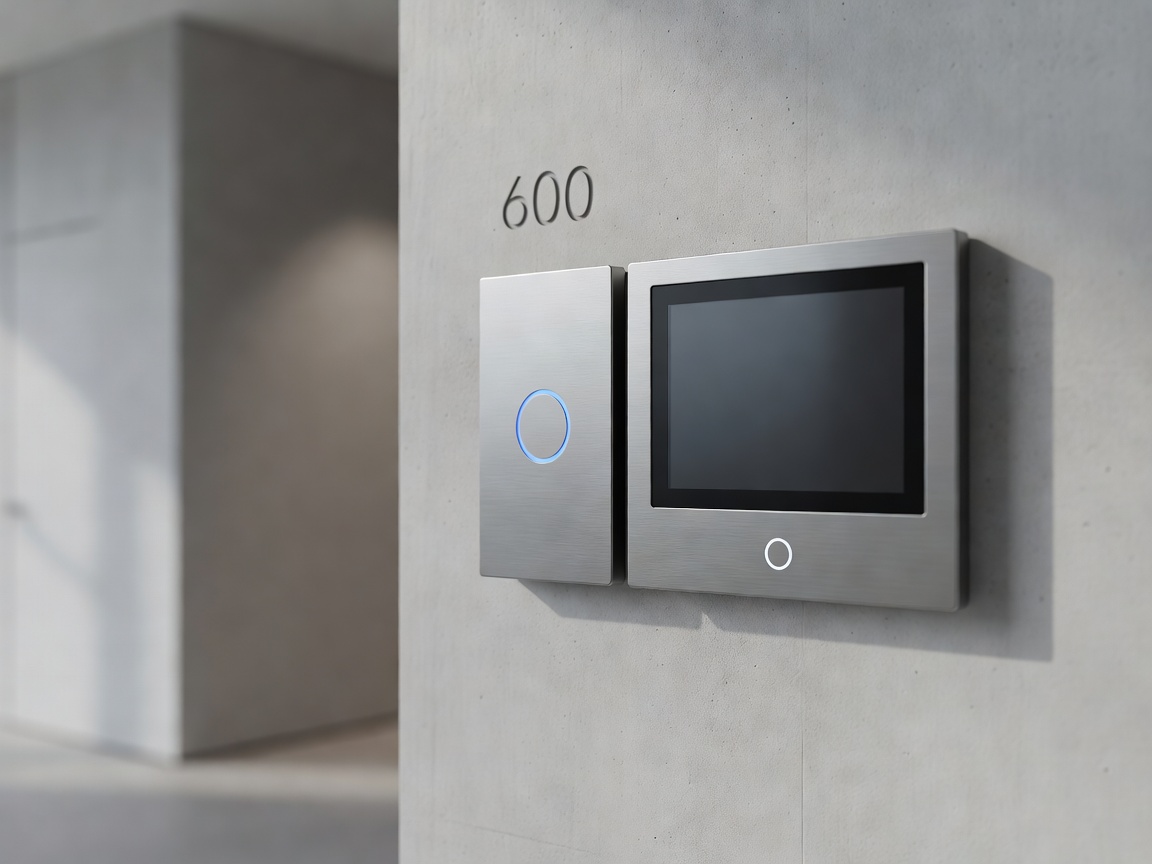
Visitor access is frequently the most challenging aspect of building security. Telephone-entry systems and video intercoms allow residents to verify guests remotely. Ensuring the directory remains updated and providing clear operational procedures for delivery drivers (such as temporary PIN codes or designated drop zones) is critical to prevent tailgating—where an unauthorized person catches the door behind a resident.
Physical Security vs. Digital Systems
No digital system can guarantee security if physical hardware is compromised. A state-of-the-art card reader is useless if the door frame is warped, the hinges are failing, or the magnetic lock can be easily bypassed. Access infrastructure requires regular, scheduled maintenance just like the building's HVAC systems.
Common-Area Access and Privacy Considerations
Access control extends beyond the front door. Interior zones like fitness centers, package rooms, and mechanical areas require distinct permission levels. Tracking who enters these spaces can help resolve disputes or identify the source of damage, but property operators must handle access logs with care to respect resident privacy.
Operational policies must dictate who on staff has permission to view access logs, under what circumstances, and how long that data is retained.
What to Know About Fail-Safes
Electronic locks require power. In the event of a total building power loss, systems must behave predictably based on fire code requirements—usually "fail-safe" (doors unlock to allow egress) or "fail-secure" (doors remain locked from the outside but allow exit). Understanding these configurations is vital for life-safety compliance.
Access Infrastructure Checklist
- Conduct quarterly audits of active access credentials to remove departed residents or contractors.
- Inspect physical door hardware, closers, and hinges monthly.
- Establish a clear, documented procedure for residents to report lost credentials.
- Verify battery backups and fail-safe/fail-secure logic on all electronic locks annually.
- Provide visible signage directing delivery personnel to the correct intercom or drop-off zone.
Good For
Buildings prioritizing resident safety, complexes dealing with high volumes of package deliveries, and properties transitioning away from unmanageable physical master keys.