In modern apartment management, building automation has shifted from an expensive luxury to a practical necessity. By establishing centralized control over Heating, Ventilation, and Air Conditioning (HVAC) alongside common-area lighting, property operators can achieve operational visibility that manual systems simply cannot provide.
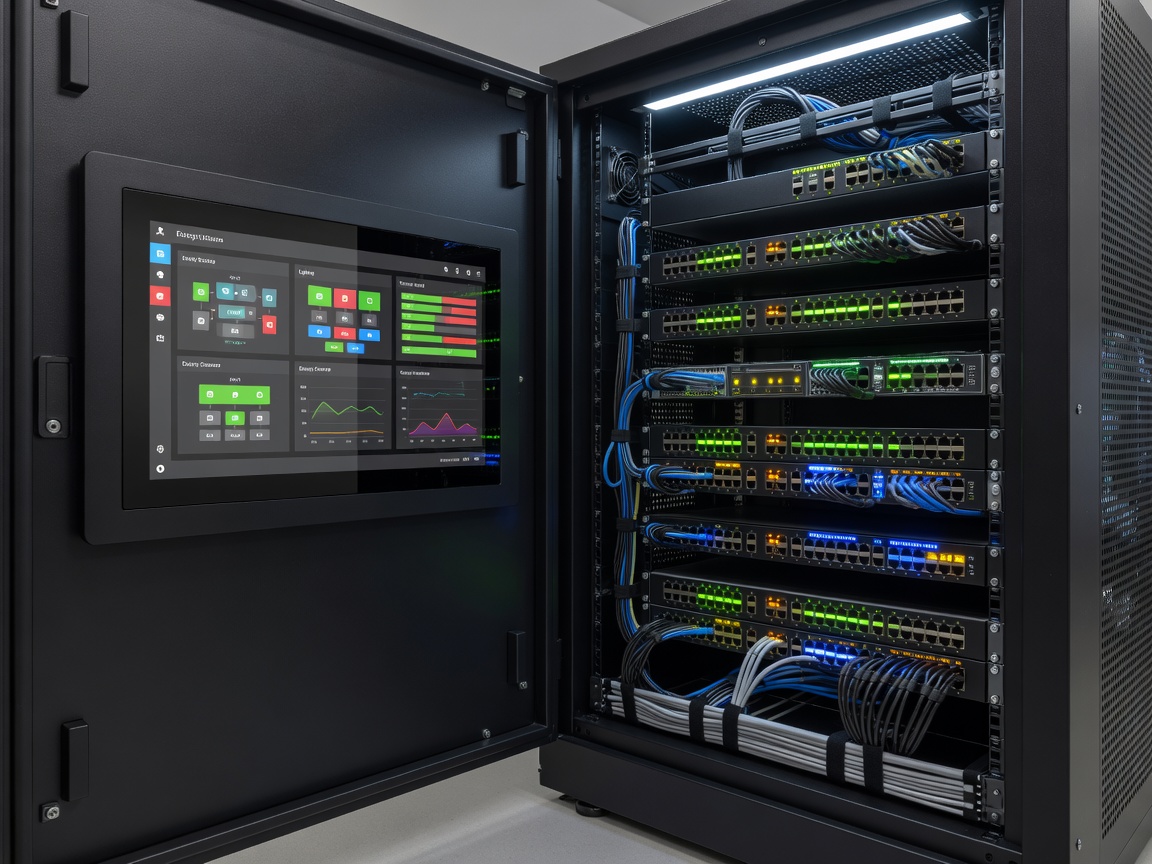
The Scope of Apartment Automation
A well-implemented Building Automation System (BAS) acts as the central nervous system for your property. It connects discrete hardware—such as chillers, boilers, exhaust fans, and corridor lighting—into a single managed environment.
HVAC Control and Temperature Monitoring
HVAC control is typically the primary driver for BAS adoption. Instead of relying on manual thermostat adjustments by maintenance staff, a BAS utilizes temperature and occupancy sensors to regulate climate control dynamically. This ensures that lobbies, fitness centers, and hallways remain comfortable without running cooling or heating systems at maximum capacity during off-peak hours.
Lighting Automation and Occupancy Sensing
Common-area lighting automation prevents energy waste while maintaining safety. By combining time-based scheduling (aligned with astronomical clocks for sunrise/sunset) and occupancy sensing in low-traffic zones, buildings ensure pathways are illuminated when required without burning electricity unnecessarily in empty corridors.
Automation vs. Manual Control
While automation provides immense benefits for large, complex sites, it is not always superior for every application. Simple manual controls or standalone programmable thermostats remain entirely appropriate for smaller, isolated buildings or specific mechanical rooms where continuous environmental adjustment isn't necessary.
Maintenance Implications and System Integration
Automation directly impacts maintenance workflows. When a mechanical component begins to fail—for instance, an exhaust fan motor drawing unusual amperage—the BAS can flag the anomaly before complete failure occurs. This operational visibility transitions maintenance teams from a reactive posture to a proactive one.
However, system integration requires standardized communication protocols like BACnet or Modbus to ensure proprietary hardware from different manufacturers can interface properly. Without careful planning, property managers can end up locked into single-vendor ecosystems that inflate long-term service costs.
What to Know Before Implementing
Before overhauling building controls, operators must consider the condition of existing mechanical assets. A sophisticated control system cannot fix fundamentally broken HVAC equipment. Furthermore, resident comfort must remain the primary objective; aggressive temperature setbacks in common areas can negatively impact the perceived quality of the building.
Practical Considerations Checklist
- Audit existing mechanical equipment for automation compatibility.
- Determine if open protocols (BACnet) are supported by vendors.
- Evaluate network infrastructure and cybersecurity of the control network.
- Ensure local staff receive adequate training on overriding schedules manually during emergencies.
- Define clear escalation procedures for system alerts and alarms.
Good For
Mid-to-large multi-family developments, mixed-use buildings with varying zone requirements, and properties experiencing unpredictable energy usage in common spaces.